
 English English
 Views: 0 Author: Site Editor Publish Time: 2026-07-22 Origin: Site


Securing personnel and equipment in high-risk industrial environments requires absolute precision. You cannot afford blind cost-cutting in this department. Lives depend on these mechanisms every single day. When heavy equipment hangs hundreds of feet in the air, financial savings matter far less than absolute reliability. Standard lockout tags serve basic ground-level needs perfectly. However, this guide focuses entirely on high-ticket, mission-critical mechanical systems. We examine anti-fall mechanisms, overspeed triggers, and wire rope locks.
Any failure in these systems proves catastrophic. Procurement teams and safety managers face a difficult challenge here. Before issuing a purchase order, you must understand the key differences. You need to know what separates a budget mechanism from a premium, compliance-ready device. We will show you exactly how much that quality difference actually costs. You will learn the true financial impact of choosing verified safety over temporary savings.
Baseline Costs: Premium industrial safety locks range from $150 to $800+ per unit, depending on load capacity, mechanism type, and environmental ratings.
Cost Drivers: Third-party compliance (CE, ANSI, OSHA standards), internal material engineering (e.g., corrosion-resistant alloys), and precision trigger mechanisms define premium pricing.
Hidden Fees: Budgeting must include secondary costs like specialized wire ropes, annual recalibration, and certified inspection fees.
Safety mechanisms vary wildly in price across different sectors. Costs depend largely on their specific application and load requirements. We can break down the typical market spectrum below. This breakdown helps you anchor your budget expectations effectively. You will see why different environments demand different pricing tiers.
You can expect costs ranging from $150 to $400+ for these units. Contractors use them heavily in facade maintenance projects. They also appear frequently on standard construction sites. The main value driver remains absolute precision. The Wire Rope Safety Lock must grip tightly during an abrupt halt. It must stop the fall instantly. It must do this without causing catastrophic rope fraying. A frayed rope can snap entirely under sudden tension. Premium models use calibrated clamping jaws. They spread the kinetic force evenly across the rope strands.
These specialized units occupy a notably higher pricing tier. They usually cost between $300 and $600+. You need them for heavy-duty material hoists. They also protect industrial cages and automated vertical lifts. The exactness of the Overspeed Safety Lock calibration defines its true value. A Centrifugal Anti-Fall Safety Lock must trigger at a highly specific acceleration threshold. It cannot afford false deployments during normal operation. False deployments cause intense whiplash for operators. Premium units use advanced centrifugal weights. They only lock when gravity takes over.
These devices command premium enterprise pricing in the market. Expect to pay $500 to $1,000+ per unit. Construction teams use this specialized gear for elevator shaft construction. They also rely on them heavily for temporary lift systems. The hardware must integrate seamlessly into complex guide rails. A reliable Elevator Installation Safety Device meets strict jurisdictional elevator codes. These codes vary wildly by region and country. Manufacturers spend thousands on localized compliance testing. They pass this testing cost onto the final unit price.
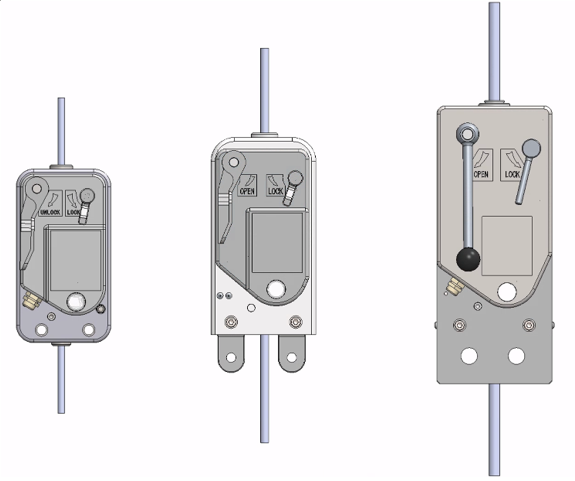
Enterprise-grade hardware often looks similar to unverified budget options externally. Internal components reveal the true differences between them. We evaluate these devices across several key engineering dimensions. These dimensions separate a dependable tool from a dangerous liability.
Material Engineering & Environmental Insulation: Features like dustproofing and anti-corrosion plating dictate the price directly. Industrial-grade insulation adds significant manufacturing cost. Premium units survive cement dust effortlessly. They withstand harsh salt-spray in marine environments. They operate flawlessly in extreme sub-zero temperatures. Cheaper units rust quickly under these exact same conditions.
Internal Braking Mechanisms: You must understand the difference between basic and advanced braking. Budget models use simple friction pads. These pads wear down unevenly over time. Premium models feature advanced, non-destructive centrifugal braking systems. They distribute kinetic energy safely. They protect both the worker and the lifting machinery.
Verifiable Certifications: Compliance carries a massive upfront cost for manufacturers. Premium brands bake the cost of rigorous third-party stress testing into their pricing. They undergo CE, ISO, and ANSI evaluations regularly. Lack of transparent certification is a massive red flag. Budget models avoid these tests to keep prices low.
Evaluation Dimension | Budget Models | Premium Enterprise Models |
|---|---|---|
Material Build | Standard steel, painted finish | Corrosion-resistant alloys, galvanized |
Braking System | Basic friction pads | Non-destructive centrifugal braking |
Certifications | Self-declared or missing | Verifiable CE, ANSI, ISO reports |
Environmental Rating | Indoor / Light weather | Dustproof, salt-spray resistant |
Initial savings often evaporate quickly in industrial settings. Procurement managers must look at long-term operational expenses instead. We present a skeptical, evidence-oriented breakdown below. It shows exactly why upfront savings deceive buyers.
Budget devices rarely last in real-world construction environments. You might replace them every twelve months. Harsh weather and abrasive dust destroy cheap metals incredibly fast. A premium Industrial Safety Lock typically lasts three to five years. You only need to follow standard maintenance routines. Frequent replacements disrupt your supply chain constantly.
Highly sensitive locks need perfect factory calibration. Poorly calibrated budget locks trigger falsely all the time. They freeze platforms unexpectedly in mid-air. This halts site productivity immediately. You should calculate the hourly cost of worksite downtime carefully. Compare it against the premium lock markup. The premium lock pays for itself after preventing just one stoppage.
Utilizing non-compliant devices increases your insurance premiums drastically. They expose your company to severe legal risks. An incident involving uncertified gear invites massive lawsuits. Insurers will deny claims entirely. They always inspect the hardware compliance after an accident occurs. Premium locks act as an insurance policy for your firm.
Rolling out new safety hardware brings unexpected expenses. Procurement teams must anticipate these hidden realities carefully. We highlight these hidden costs to demonstrate true implementation expertise.
A safety lock only performs as well as its rope. Standard wire ropes often slip under extreme impact loads. You must upgrade to exact manufacturer-specified ropes. This upgrade prevents slippage during sudden drops. The lock mechanism cares deeply about the rope strand pattern. Using incorrect rope voids your warranty instantly.
Mechanical safety devices require mandatory periodic testing. You must factor in the vendor fees for annual recertification. You also face hidden logistics costs here. You often have to ship heavy units to authorized test centers. Smart buyers purchase rotating spare units. They deploy the spares while testing the primary locks.
Manufacturers list specific daily inspection requirements clearly. Workers must check and lubricate the gear regularly. This represents a hidden labor cost. You must account for this time in your project schedule. Premium locks often feature sealed bearings. Sealed designs reduce daily maintenance downtime significantly.
Procurement teams need a clear decision framework. We recommend following these four actionable steps. They help you evaluate competing proposals objectively.
Match Load Capacity to Project Spec: You must never under-spec a mechanical device. Confirm the rated load covers all necessary equipment. It must also cover the absolute peak personnel weight. Add a standard safety margin to this final calculation.
Assess Environmental Exposure: Select housing materials based on strict site realities. Marine environments demand high-grade stainless steel internals. Heavy manufacturing plants require intense dustproofing seals. Match the metal alloy to your specific climate challenges.
Demand Traceability: You should only shortlist highly transparent vendors. They must provide individual serial numbers for tracking. They must supply original factory test certificates for every single unit. Do not accept generic batch certificates.
Evaluate Vendor Support: Ask about the vendor's regional maintenance centers. You need local facilities for annual recalibration. Shipping units overseas for testing wastes massive amounts of time. Strong local vendor support reduces operational friction tremendously.
Purchasing a premium Suspended Platform Safety Lock is fundamentally a risk-mitigation investment. It is not a routine hardware expense. You must audit your current safety hardware thoroughly today. Request updated spec sheets from certified manufacturers immediately. Prioritize long-term lifecycle value and strict regulatory compliance over the initial unit price. Protect your workers and your bottom line simultaneously.
A: Most devices require mandatory recertification every 12 months. Total replacement usually occurs every three to five years. This timeline depends heavily on local regulations and usage intensity. Harsh environments accelerate wear, requiring earlier replacement.
A: We strongly advise against this practice. Wire rope diameter, construction pattern, and tensile strength must match the lock's exact specifications perfectly. Mismatched ropes slip through the clamping jaws. They guarantee the braking mechanism will fail during an emergency.
A: Yes, volume discounts are standard in B2B procurement. However, bulk buying should never bypass the need for individual unit certification. You must ensure every discounted unit still arrives with its own unique factory test certificate.


